

Melbourne is widely recognised as Australia’s sporting capital, hosting some of Australia’s most significant sporting events throughout the year. From AFL finals at Melbourne Cricket Ground to international tournaments at Rod Laver Arena and major stadium events at Marvel Stadium, the city regularly attracts thousands of spectators, athletes, officials, media teams, and VIP guests.
Large sporting events create excitement, economic value, and public engagement, but they also introduce significant security challenges. Managing thousands of people in one venue requires far more than visible guards at entry points. Professional sporting event security involves strategic planning, risk management, crowd behaviour analysis, emergency preparedness, and coordination between multiple agencies.
A well-planned security operation helps protect attendees, supports organisers, reduces disruption, and ensures the event runs smoothly from start to finish.
Why Security Planning Is Essential for Major Sporting Events in Melbourne
Major sporting events present unique operational risks because they involve:
- Large and diverse crowds
- High-profile athletes and public figures
- Media and broadcasting teams
- Temporary event infrastructure
- Alcohol service zones
- High pedestrian and vehicle movement
- Restricted operational areas
Even a small issue can escalate quickly in a crowded environment if there is no structured response plan. Professional event security planning ensures every risk is identified early and controlled before the event begins.
For organisers managing public events, working with professional event security Melbourne teams can significantly improve safety outcomes and operational control.
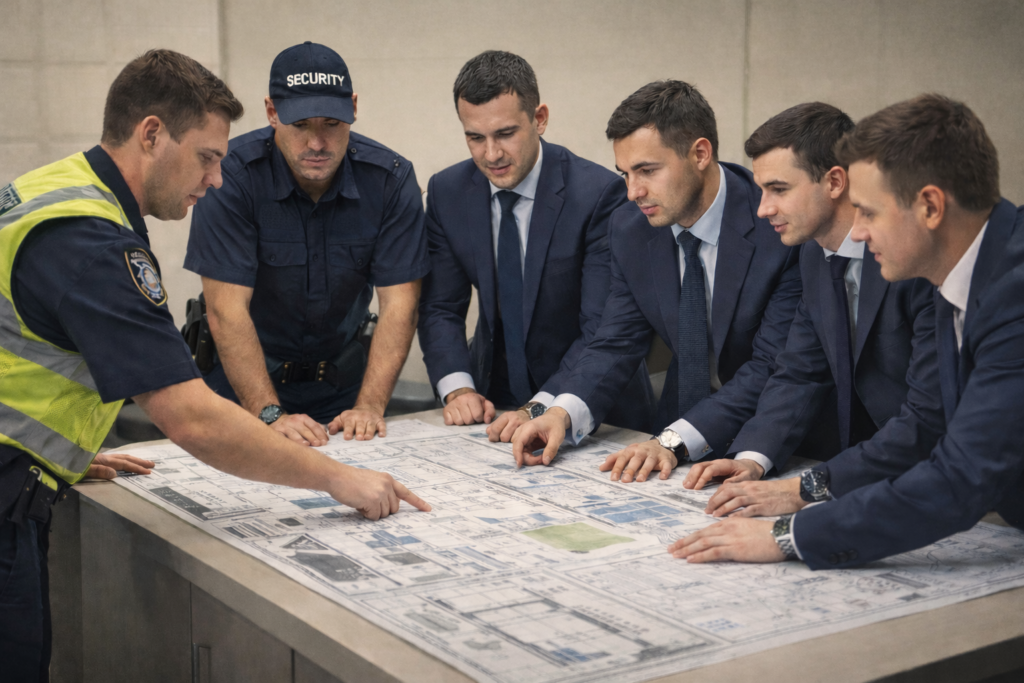
Conducting a Detailed Risk Assessment Before Event Day
Every successful sporting event begins with a comprehensive security risk assessment.
This process evaluates:
- Venue layout and access points
- Expected crowd size
- Seating arrangements
- Traffic movement around the venue
- Public transport impact
- Emergency access routes
- Historical incident patterns
Security planners also assess event-specific threats such as:
- Overcrowding
- Unauthorised entry
- Anti-social behaviour
- Theft
- Property damage
- Medical emergencies
- Weather disruptions
A football final, tennis tournament, marathon, and community sports event all require different security models because crowd behaviour and venue conditions differ significantly.
Professional planning ensures the number of guards, patrol positions, response teams, and control points match actual event risk.
Crowd Management Strategies for Large Sporting Venues
Crowd control is one of the most important elements of sporting event security.
Without proper movement control, risks increase rapidly, including:
- Entry congestion
- Exit bottlenecks
- Panic situations
- Physical confrontation
- Restricted route blockages
Professional crowd management includes:
- Controlled entry and exit lanes
- Clear directional signage
- Barrier placement
- Queue management systems
- Trained crowd control officers
- Monitoring of high-density zones
Experienced guards understand crowd psychology. Their positioning and communication often prevent problems before they develop.
Using trained crowd control security services improves both safety and visitor experience.
Access Control and Entry Screening Procedures
Large sporting venues usually operate multiple access levels.
These may include:
- General public entry
- VIP access
- Athlete-only zones
- Media entry
- Staff-only operational areas
Access control planning includes:
- Ticket validation
- Credential checks
- Bag inspections
- Metal detection where required
- Prevention of prohibited item entry
- Controlled restricted-zone access
This structured process protects organisers, attendees, and venue operations while maintaining professional event flow.
Highly trained security guards Melbourne play a critical role in managing entry professionally without causing delays.
Emergency Response Planning for Sporting Events
Every sporting event must prepare for unexpected incidents.
Emergency planning includes:
- Evacuation procedures
- Medical emergency coordination
- Fire response planning
- Severe weather response
- Lost child procedures
- Incident reporting systems
Security teams work with emergency responders to ensure every staff member understands the chain of command.
Fast response during emergencies prevents confusion and limits escalation.
A professional security team can isolate incidents quickly while maintaining calm among spectators.
Coordination With Authorities and Venue Stakeholders
Major Melbourne sporting events often involve cooperation between:
- Event organisers
- Venue operators
- Victoria Police
- Medical response teams
- Local councils
- Traffic management personnel
Security companies often become the operational link between these groups.
Strong communication before and during the event ensures:
- Faster incident response
- Clear reporting lines
- Better access control decisions
- Safer crowd movement
This coordinated model is essential for high-attendance sporting events.
Technology Used in Modern Sporting Event Security
Modern event security combines manpower with technology.
Common systems include:
- CCTV monitoring
- Two-way radios
- Access scanning systems
- Incident reporting tools
- Real-time communication devices
Technology allows supervisors to monitor multiple areas at once and dispatch guards quickly when needed.
When combined with trained personnel, technology creates stronger venue-wide security visibility.
The Role of Professional Security Guards During Sporting Events
Professional guards provide both visible protection and active support.
Their responsibilities often include:
- Monitoring crowd behaviour
- Preventing unauthorised access
- De-escalating disputes
- Assisting visitors
- Protecting athletes and officials
- Enforcing venue safety rules
Security guards also help maintain a calm atmosphere because their visible presence discourages disruptive behaviour.
Well-trained guards understand that communication skills are equally important as physical presence.
Post-Event Security Evaluation and Continuous Improvement
Security work continues after the event finishes.
Professional teams conduct:
- Incident reviews
- Staff debriefings
- Response analysis
- Risk reassessment
- Reporting for future events
This process helps improve planning for future sporting events and strengthens long-term venue safety strategies.
Why Strategic Sporting Event Security Matters in Melbourne
Melbourne’s sporting industry contributes significantly to the local economy and city reputation.
Poor event security can lead to:
- Safety incidents
- Legal liability
- Operational disruption
- Brand damage for organisers
Strong security planning helps:
- Protect spectators
- Support organisers
- Improve attendee confidence
- Reduce operational risk
When visitors feel safe, they are more likely to return for future events.
